


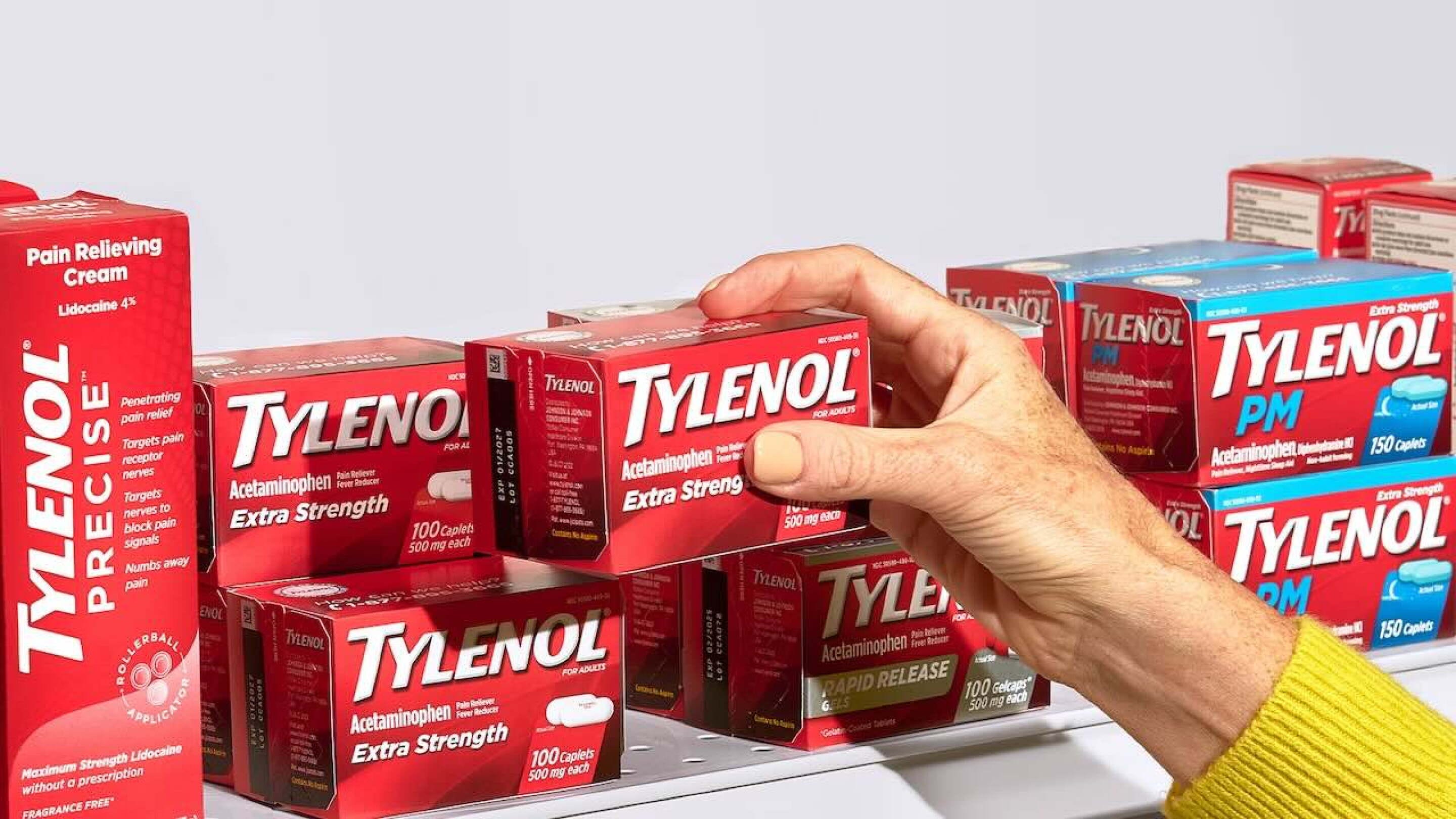
Acetaminophen is one of the most widely used medications in the world. In the United States alone, roughly 50 million people take a product containing acetaminophen every week. It sits in medicine cabinets, gym bags, and office drawers. Parents give it to children for fevers. Athletes reach for it after hard training sessions. Older adults use it for joint pain. Most people treat it as harmless because it does not require a prescription and has been available for decades.
But there is a growing body of research that asks an important question. What is Tylenol doing to your body’s antioxidant defenses over time, and specifically, what is it doing to glutathione?
This is not a fringe concern. It is a biochemical reality that pharmacologists, toxicologists, and physicians understand well. The challenge is that this information rarely reaches the average person in a clear, usable form. This article changes that.
Understanding Acetaminophen and How Your Body Processes It
When you take Tylenol, your liver gets to work. The liver is the body’s primary processing center for drugs and chemicals, and acetaminophen goes through a multi-step breakdown process once it enters your system.
The majority of acetaminophen, roughly 90 percent, gets processed through two pathways called glucuronidation and sulfation. These are relatively safe routes. The liver attaches molecules to the acetaminophen that make it water-soluble and easy to excrete through urine.
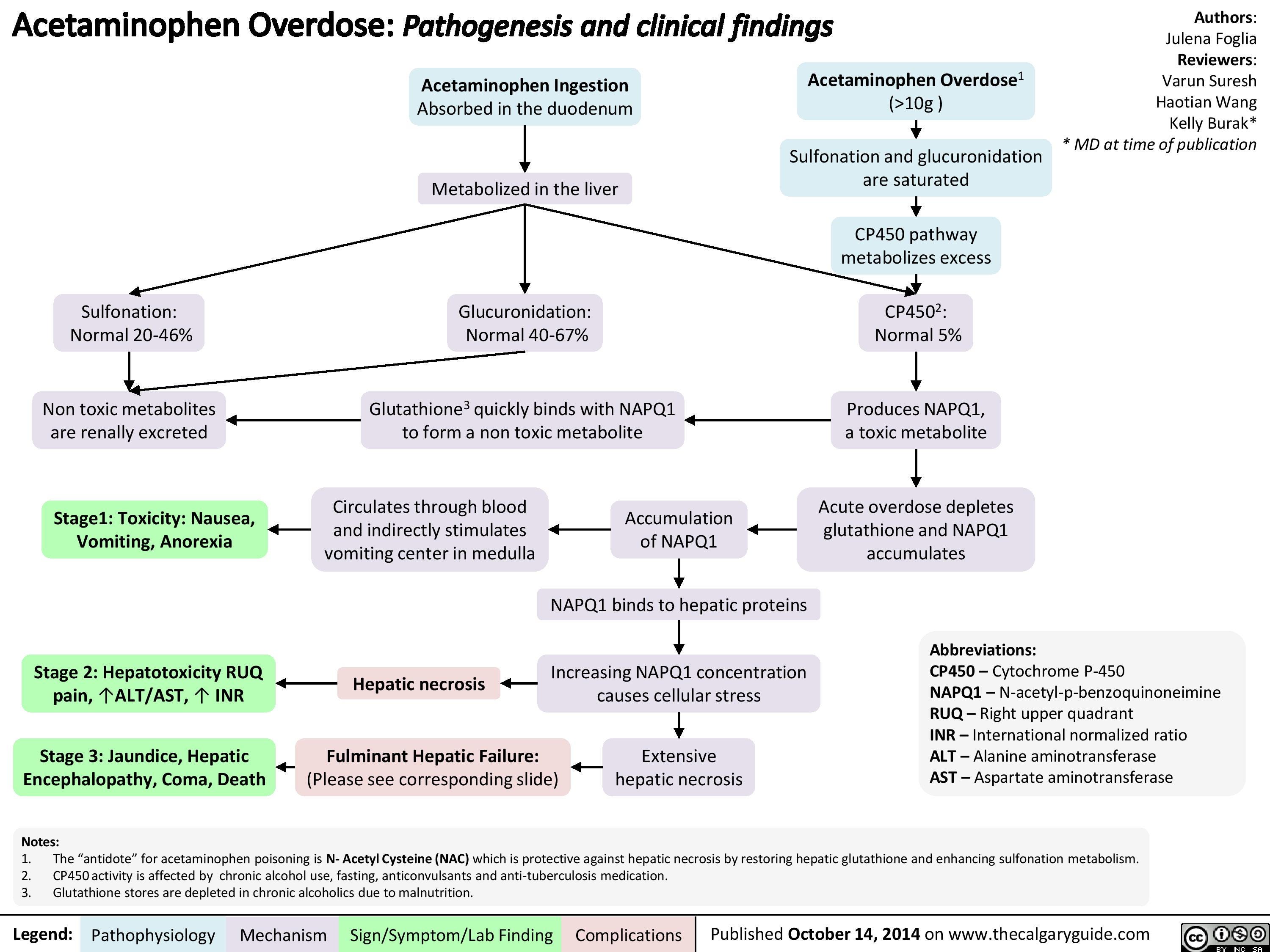
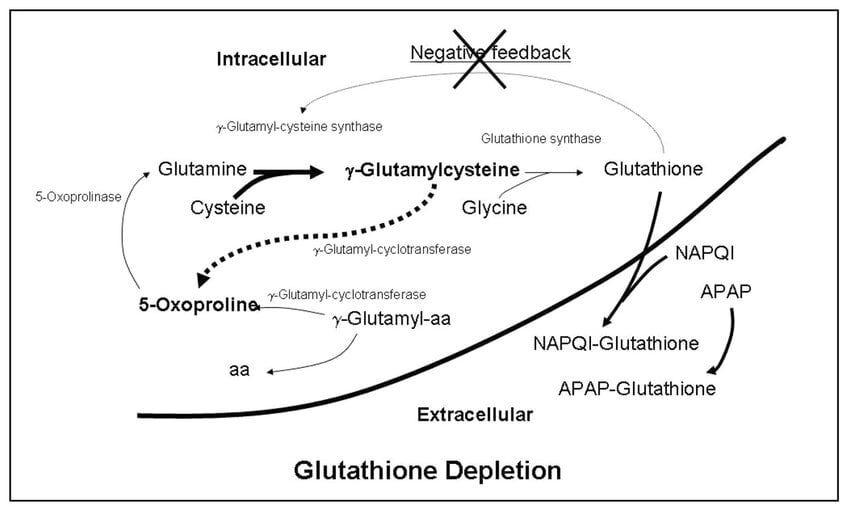
The remaining 10 percent takes a different route. It passes through a liver enzyme system called cytochrome P450, specifically an enzyme called CYP2E1. This pathway produces a toxic intermediate compound called NAPQI, which stands for N-acetyl-p-benzoquinone imine.
NAPQI is chemically reactive and damaging. It attacks liver cell membranes and proteins. Left unchecked, it would cause serious liver cell death. Your body knows this, and it has a defense system in place specifically to handle NAPQI. That defense system is glutathione.
Glutathione binds to NAPQI and converts it into a non-toxic compound that the body can safely eliminate. Under normal circumstances, with typical doses of acetaminophen and a body that produces adequate glutathione, this process works well. The NAPQI gets neutralized, the liver clears the compound, and you move on.
The problem begins when this system gets stressed.
What Happens When Glutathione Gets Depleted
When glutathione levels are adequate, NAPQI clearance is efficient. When glutathione levels drop, the math shifts. More NAPQI remains active and damaging longer than it should.
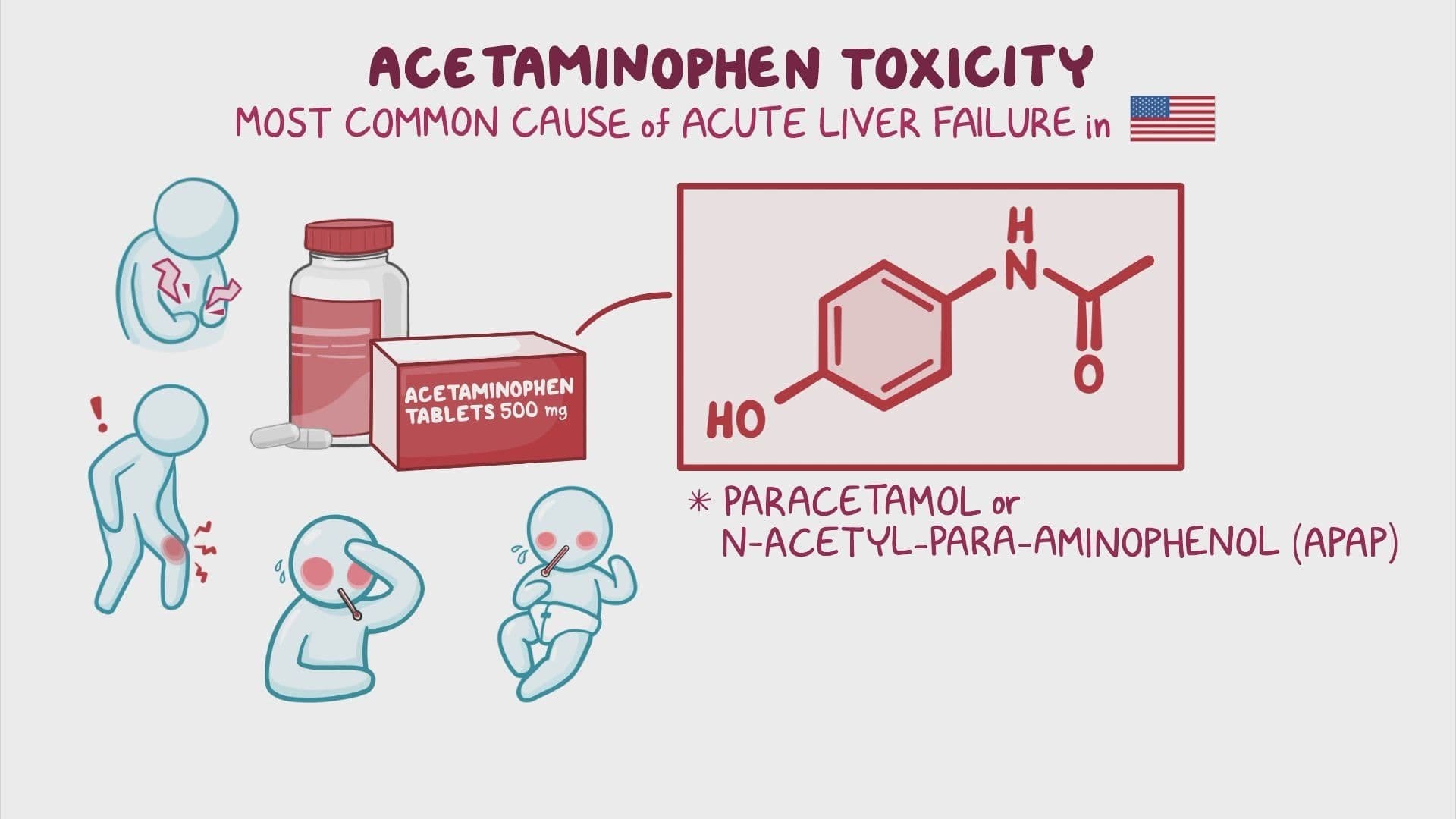
Acetaminophen overdose is the most well-known example of this breakdown. It is the leading cause of acute liver failure in the United States, accounting for nearly half of all cases. Emergency rooms use a treatment called N-acetylcysteine, or NAC, which works precisely because it helps the body rapidly replenish glutathione. That treatment protocol exists because the connection between acetaminophen toxicity and glutathione depletion is not debatable. It is established medicine.
What gets less attention is the lower-level, chronic version of this problem. People who take acetaminophen regularly, even at recommended doses, are placing a consistent demand on their glutathione supply. If that supply is already compromised for other reasons, which it often is in modern life, the liver’s protective margin shrinks.
This is where the conversation becomes relevant not just for people who have overdosed, but for the broader population taking Tylenol daily or frequently for pain management.
What Glutathione Actually Does
To understand why glutathione depletion matters, you need to understand what glutathione does. Most people have heard the term antioxidant, but glutathione operates at a level of biological importance that goes well beyond common antioxidants found in food.
Glutathione is a tripeptide, meaning it is built from three amino acids: glutamine, cysteine, and glycine. Your body produces it internally, primarily in the liver. It is present in virtually every cell of the body, and its concentration is one of the key indicators of cellular health and longevity.
Here is what glutathione handles:
Free radical neutralization. Every cell in your body produces free radicals as a byproduct of energy production and normal metabolism. Free radicals are unstable molecules that damage DNA, cell membranes, and proteins. Glutathione donates electrons to stabilize these molecules before they cause structural damage. This process happens continuously, billions of times per day, in every tissue of your body.
Liver detoxification. Your liver handles an enormous load of chemical processing, from pharmaceutical drugs to environmental toxins to alcohol to the natural byproducts of metabolism. Glutathione is a core component of Phase II liver detoxification, the stage where the liver attaches molecules to toxins to make them water-soluble and excretable. Without adequate glutathione, this process slows, and toxic compounds accumulate longer than they should.
Immune system regulation. Glutathione is not a passive bystander in immune function. White blood cells, particularly lymphocytes, require adequate intracellular glutathione to multiply and mount an effective response to infection. Research has shown that glutathione-depleted immune cells are less effective at fighting pathogens. Maintaining glutathione levels is a direct factor in your immune response capacity.
Cell repair and regeneration. When cells sustain damage from oxidative stress, glutathione participates in the repair process. It recycles other antioxidants, including vitamins C and E, back into their active forms so they can continue functioning. It also plays a role in mitochondrial function, the energy-producing machinery inside each cell, which affects everything from physical endurance to cognitive performance.
Neurological protection. The brain is metabolically active and particularly vulnerable to oxidative damage. Glutathione acts as a primary antioxidant defense within neurons. Research has linked reduced glutathione levels in the brain to the progression of neurodegenerative conditions including Parkinson’s disease and Alzheimer’s disease. This is an active area of scientific investigation, and the data supporting a protective role for glutathione in brain health is substantial.
Fetal development. During pregnancy, adequate glutathione levels in both the mother and the developing fetus support normal cellular development and protect against oxidative damage. Disruptions to maternal glutathione can affect fetal outcomes, which is one reason pregnant women taking acetaminophen represent a population that warrants careful consideration.
Skin health. Glutathione plays a role in melanin regulation and skin cell turnover. Some research has examined its role in reducing oxidative damage to skin cells caused by UV exposure and environmental pollutants.
When glutathione levels fall below functional thresholds, all of these systems operate under stress. Oxidative damage accumulates faster than it gets repaired. Inflammation increases. Cellular aging accelerates.
The Populations Most Affected by Glutathione Depletion
Glutathione depletion is not exclusive to people who take acetaminophen. Several factors reduce glutathione levels, and many of them apply to broad segments of the population.
People who take acetaminophen regularly. This is the direct connection discussed above. Each dose places a metabolic demand on glutathione stores. People taking Tylenol daily for chronic pain conditions are the most directly affected. This includes people managing osteoarthritis, back pain, headaches, or post-surgical discomfort over extended periods.
Aging adults. Glutathione production declines with age. Research has documented a significant reduction in glutathione levels starting in middle age, with continued decline through older adulthood. This decline is one contributing factor to the increased oxidative stress seen in aging bodies, and it has implications for liver function, immune health, cognitive function, and cancer risk. An older adult taking regular doses of acetaminophen for joint pain starts from a lower glutathione baseline, which reduces the protective margin further.
People with chronic health conditions. Conditions including type 2 diabetes, cardiovascular disease, autoimmune disorders, and chronic kidney disease are all associated with elevated oxidative stress and reduced glutathione levels. These populations are also more likely to be on multiple medications, which places additional demand on liver detoxification systems. Managing medication load while supporting antioxidant reserves is a real clinical consideration for these individuals.
Athletes and physically active people. High-intensity exercise generates significant oxidative stress. Athletes who train hard produce more free radicals and place greater demands on their antioxidant systems. Research has shown that intense exercise transiently depletes glutathione. Athletes who use acetaminophen for post-exercise pain management, a common practice, are combining two sources of glutathione demand simultaneously. There is also research suggesting that chronic NSAID and acetaminophen use among athletes may blunt training adaptations, which is a separate concern worth understanding.
People with high toxic exposure. This includes people who drink alcohol regularly, people who work in environments with chemical or industrial exposure, people who live in areas with high air pollution, and people who eat diets high in processed foods and low in the precursor nutrients glutathione requires to be synthesized. Alcohol is a particular factor here. Alcohol metabolism generates acetaldehyde, which depletes glutathione directly, which is part of why chronic alcohol use damages the liver.
Pregnant women. Pregnancy increases metabolic demands across the board, including on antioxidant systems. Acetaminophen has historically been considered the safest pain medication during pregnancy, but more recent research has raised questions about this assumption. Studies have found associations between prenatal acetaminophen exposure and increased rates of attention deficit hyperactivity disorder, autism spectrum disorder, and other neurodevelopmental outcomes in children. The mechanism is not fully established, but glutathione depletion and resulting oxidative stress during fetal development is one plausible pathway under investigation. Any pregnant woman taking acetaminophen regularly should discuss this with her physician.
Children with neurodevelopmental conditions. Research has shown that glutathione is reduced by up to 80 percent in children with autism spectrum disorder, and significant reductions have been documented in other neurodevelopmental conditions as well. Studies published in peer-reviewed journals, including research available through PubMed and ScienceDirect, have documented this finding across multiple independent research groups. The reasons for this depletion are still being studied, but oxidative stress is considered a contributing factor in the biology of several neurodevelopmental conditions. This population has a reduced capacity to handle additional glutathione-depleting inputs, including medications like acetaminophen.

The Research Behind Glutathione Depletion in Autism and Neurodevelopment
The finding that glutathione is significantly reduced in children with autism is not a minor observation. It has been replicated across multiple studies and represents one of the more consistent biological findings in autism research.
A study examining oxidative stress markers found that children with autism had dramatically lower levels of reduced glutathione compared to neurotypical controls. This was not a modest difference. Reductions of up to 80 percent represent a profound deficit in antioxidant capacity. Given what glutathione does for cell health, brain protection, and immune function, this level of depletion has significant implications for how these children respond to chemical and oxidative stress from all sources, including medications.
Research published in Free Radical Biology and Medicine has investigated redox metabolism in autism, documenting the specific metabolic imbalances present. Other work published through NCBI and indexed in PubMed has contributed to a growing picture of autism as a condition involving significant disruption to cellular antioxidant systems.
This does not mean acetaminophen causes autism. That question is more complex and the research is ongoing. What it does mean is that children already experiencing severe glutathione depletion are more vulnerable to further depletion from any source, including common over-the-counter medications. Parents and clinicians working with these children have reason to be thoughtful about acetaminophen use.
How Glutathione Levels Drop in the General Population
Even if you do not take acetaminophen, your glutathione levels can be lower than optimal. Here are the primary factors:
Chronic psychological stress. Prolonged stress elevates cortisol and increases oxidative stress systemically. This creates ongoing demand on antioxidant systems including glutathione.
Poor diet. Glutathione synthesis requires specific precursor amino acids, particularly cysteine. A diet low in protein, and specifically low in foods containing cysteine and glycine, reduces the raw materials available for glutathione production. Diets high in refined carbohydrates and low in vegetables and quality protein are associated with lower antioxidant status overall.
Insufficient sleep. Sleep is a primary period of cellular repair. Oxidative damage accumulated during the day gets addressed during sleep cycles. Chronic sleep deprivation results in accumulating oxidative stress and depleted antioxidant reserves.
Environmental toxin exposure. Heavy metals including mercury, lead, and arsenic deplete glutathione directly. Pesticides and certain industrial chemicals do the same. Air pollution generates oxidative stress that draws on glutathione reserves. These exposures are difficult to avoid entirely in modern environments.
Alcohol consumption. Regular alcohol use is one of the more potent drivers of glutathione depletion. The liver prioritizes alcohol metabolism, which consumes glutathione as part of processing acetaldehyde. People who drink regularly may have chronically reduced hepatic glutathione stores.
Chronic illness. Many chronic conditions generate sustained inflammatory signaling and oxidative stress. This creates a continuous draw on glutathione that the body may not fully replenish between demands.
Aging. As noted above, glutathione production naturally decreases with age. This is one of the more well-documented aspects of cellular aging and represents a background decline that compounds all other sources of depletion.
Supporting Glutathione Levels
There are practical approaches to supporting glutathione production and reducing depletion. This is relevant whether you take acetaminophen or not, given how many factors in modern life work against adequate levels.
N-acetylcysteine (NAC). NAC is the clinical gold standard for glutathione support. It provides cysteine, the rate-limiting precursor in glutathione synthesis. This is the same compound used in emergency rooms to treat acetaminophen overdose. Research supports its use in supporting glutathione levels across a range of conditions, and it is available as a dietary supplement.
Liposomal glutathione. Direct oral supplementation of glutathione has historically faced the problem of poor bioavailability because glutathione breaks down in the digestive tract before reaching cells. Liposomal formulations use fat-soluble carriers that improve absorption. Research on liposomal glutathione shows better cellular uptake compared to standard oral glutathione.
Dietary cysteine. Foods rich in cysteine include eggs, poultry, red meat, dairy, and legumes. Whey protein is particularly high in cysteine-containing peptides. Increasing dietary cysteine gives the body more raw material for glutathione synthesis.
Sulfur-rich vegetables. Cruciferous vegetables including broccoli, Brussels sprouts, cauliflower, and kale contain compounds like sulforaphane that activate Nrf2, a cellular signaling pathway that upregulates the body’s own glutathione production. Regular consumption of these vegetables supports antioxidant capacity through this pathway.
Alpha-lipoic acid. Alpha-lipoic acid is a compound that recycles glutathione and other antioxidants back into active forms. It also helps regenerate vitamins C and E. Research supports its role in supporting cellular antioxidant status, particularly in people with metabolic and inflammatory conditions.
Selenium. Glutathione peroxidase, one of the key enzymes that uses glutathione to neutralize peroxides, requires selenium to function. Selenium deficiency directly impairs glutathione-dependent antioxidant activity. Foods including Brazil nuts, fish, and eggs provide selenium.
Reducing unnecessary acetaminophen use. This is the most direct intervention for people who take it regularly but do not need to. If you are taking Tylenol for pain management where alternatives are appropriate and safe, discussing those alternatives with your physician removes one of the primary dietary-equivalent sources of glutathione demand.
Limiting alcohol consumption. Reducing alcohol intake decreases one of the most significant lifestyle-driven sources of glutathione depletion and reduces the overall burden on liver detoxification systems.
What This Means Practically
The goal here is not to create fear about a medication used by hundreds of millions of people. Acetaminophen used appropriately, at correct doses, by people with healthy liver function and adequate glutathione reserves, carries a well-established safety profile for short-term use.
The goal is to make visible a biological mechanism that most people are not aware of, and that has direct implications for health decisions.
If you take acetaminophen regularly, understanding that it places a demand on your glutathione system is relevant information. If you are in a category where glutathione is already compromised, whether due to age, chronic illness, regular alcohol use, poor diet, or environmental exposure, this demand carries more weight.
If you have a child with autism or another neurodevelopmental condition, the research showing significantly reduced glutathione in these children is directly relevant to conversations with your child’s physician about pain management options.
If you are pregnant, the question of acetaminophen’s safety deserves a more thorough conversation than it has historically received, particularly in light of emerging research on developmental outcomes.
The body’s antioxidant systems are not infinite. They respond to diet, lifestyle, medication load, and environmental exposure. Glutathione in particular sits at the center of how your cells handle oxidative stress, toxic byproducts, and the demands of daily biochemical activity.
Understanding how Tylenol interacts with those systems is not an argument against medicine. It is an argument for informed use. The more clearly you understand what a medication asks of your body, the better positioned you are to make decisions that support your health over time.
Resources
Learn the Risk Website
Acetaminophen decreases intracellular glutathione levels
Alcohol abuse as a risk factor for ARDS
The role of glutathione redox imbalance in autism spectrum disorder: A review
Margin of the Law publishes constitutional analysis, civic research, and legal education for people who want to understand the system they actually live in. Read the Full Constitutional Analysis Library at marginofthelaw.com.
© 2026 – MK3 Law Group
For republication or citation, please credit this article with link attribution to marginofthelaw.com.