



For over seventy years, water fluoridation has stood as public health orthodoxy. The practice, endorsed by major health agencies and implemented across thousands of communities, rests on a simple premise: adding fluoride to drinking water prevents tooth decay at negligible cost to human health.
That consensus is fracturing.
The Evidence Accumulates
Recent findings from the National Toxicology Program, Harvard researchers, and multiple international studies converge on an uncomfortable conclusion: fluoride exposure correlates with measurable cognitive decline in children. The 2024 NTP report, delayed for nearly three years amid political pressure, found “moderate confidence” that fluoride exposures above 1.5 mg/L consistently associate with lower IQ scores.
The 2025 JAMA Pediatrics meta-analysis examined 74 studies involving thousands of children across multiple countries. The results were unambiguous: each 1 mg/L increase in urinary fluoride corresponded to a 1.6-point decrease in IQ. The effect persisted even at exposures below current “optimal” fluoridation levels.
These are not outlier studies. Harvard’s Grandjean and Choi identified similar patterns across 27 investigations in 2012, finding an average IQ reduction of 7 points among fluoride-exposed children. Their 2024 update reinforced these findings. Canadian cohort studies documented IQ decreases of 4.5 points per mg/L of maternal fluoride exposure, with formula-fed infants showing deficits of 8-9 points when prepared with fluoridated water.
The global dataset tells the same story. Of 78 human studies examining fluoride and intelligence, 73 found inverse correlations. The consistency spans continents and research methodologies.
Understanding the Mechanism
Fluoride readily crosses biological barriers that normally protect sensitive tissues. It accumulates in the brain’s gray matter, particularly the pineal gland, where concentrations can reach levels far exceeding those in blood or other organs.
The biochemical pathways are well-documented. Fluoride induces oxidative stress by generating reactive oxygen species while simultaneously depleting the body’s antioxidant defenses. It disrupts mitochondrial function, reducing cellular energy production. In the thyroid, fluoride interferes with iodine metabolism, potentially triggering hormonal imbalances that affect brain development.
Animal studies demonstrate clear neurotoxic effects: altered neurotransmitter function, damaged synaptic connections, and behavioral changes consistent with cognitive impairment. The question was never whether fluoride could affect the nervous system—it was whether real-world exposures produced meaningful harm.
That question now has an answer.
The Exposure Problem
Current fluoride intake far exceeds what early proponents envisioned. The “optimal” water fluoridation level of 0.7 mg/L was established in 1950 based on limited data and assumptions about total fluoride consumption that no longer hold.
Today’s children encounter fluoride from multiple sources: drinking water, food processing, dental products, tea, and even air pollution from industrial facilities. The cumulative exposure often reaches levels that recent studies link to cognitive effects.
Particularly concerning is infant exposure through formula preparation. Babies fed formula mixed with fluoridated water can receive 100-200 times more fluoride per body weight than breastfed infants. Their developing kidneys clear fluoride inefficiently, leading to higher tissue accumulation during critical periods of brain development.
Beyond Intelligence: Broader Health Effects
Cognitive decline represents just one dimension of fluoride’s health impact. Epidemiological evidence links chronic exposure to increased ADHD rates, thyroid dysfunction, and skeletal problems.
The thyroid connection deserves particular attention. Fluoride and iodine compete for uptake in thyroid tissue, and fluoride can substitute for iodine in hormone synthesis pathways. The result is often subclinical hypothyroidism—a condition that can impair fetal brain development and contribute to learning disabilities.
Dental fluorosis, the mottling and discoloration of teeth caused by fluoride overexposure, now affects approximately 40% of American adolescents according to CDC data. This visible marker of systemic fluoride toxicity signals overexposure during the critical period of tooth formation.
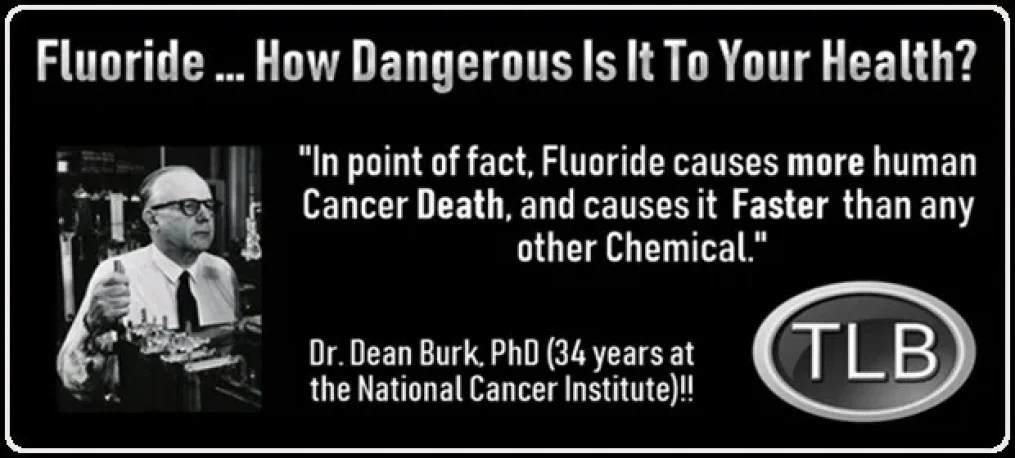
Skeletal effects emerge with chronic exposure. Fluoride accumulates in bone tissue, potentially increasing fracture risk in older adults while contributing to joint stiffness and pain. Some studies suggest associations with bone cancers, though this remains an area of ongoing investigation.


The Regulatory Response
Despite mounting evidence, regulatory agencies have shown remarkable reluctance to reconsider fluoridation policies. The same institutions that promoted fluoride—the CDC, Public Health Service, and dental health organizations—now face the prospect of acknowledging decades of harm.
Internal documents obtained through Freedom of Information requests reveal political interference in scientific assessment. The NTP’s fluoride review faced repeated delays and editorial pressure to soften conclusions. Draft reports underwent extensive revision to minimize apparent risks.
This institutional resistance reflects more than bureaucratic inertia. Major stakeholders—from dental product manufacturers to municipal water systems—have invested heavily in fluoridation infrastructure and messaging. Acknowledging cognitive risks would trigger massive liability exposure and demand costly policy reversals.
The result is a scientific consensus emerging outside official channels while regulatory bodies maintain outdated positions increasingly divorced from current evidence.
Historical Context Matters
Fluoride’s introduction as a public health measure coincided with industrial expansion that generated massive fluoride waste streams. Aluminum smelting, phosphate fertilizer production, and uranium processing created disposal challenges that mass fluoridation helped solve.
Documents from this era reveal coordination between industrial interests and public health officials to reframe fluoride from industrial toxin to beneficial additive. The messaging emphasized dental benefits while minimizing discussion of risks—a pattern that persists today.
The decision to fluoridate water supplies represented a fundamental departure from traditional medical practice. Never before had a medication been administered to entire populations through essential infrastructure, without individual consent or dosage control.
International Perspectives
Most developed nations have rejected or discontinued water fluoridation. Countries like Sweden, Norway, Denmark, and the Netherlands examined the evidence and concluded that risks outweighed benefits. France, Germany, and Belgium never implemented widespread fluoridation.
These nations maintain excellent dental health through alternative approaches: improved nutrition, better oral hygiene education, and targeted fluoride application when needed. Their experience demonstrates that mass medication is neither necessary nor optimal for dental care.
The World Health Organization’s own data shows declining cavity rates worldwide, including in non-fluoridated countries. This global trend suggests factors other than water fluoridation drive improved dental health.
Risk-Benefit Calculation
Traditional risk-benefit analyses of fluoridation assumed minimal health risks and significant dental benefits. Both assumptions require updating.
The cognitive effects documented in recent studies represent substantial public health costs. Even modest IQ reductions translate to billions in lost productivity and increased educational needs when applied across populations.
Meanwhile, dental benefits appear smaller than originally claimed. Most fluoride’s protective effect occurs through topical contact with teeth, not systemic consumption. Swallowing fluoride provides little additional benefit beyond what toothpaste and mouth rinses achieve.
Modern dental health improvements correlate more strongly with better nutrition, reduced sugar consumption, and improved oral hygiene than with fluoridation status. The original rationale for mass medication no longer matches current understanding.
Path Forward
The evidence demands policy reconsideration, but change faces institutional and economic obstacles. Water utilities have invested in fluoridation equipment, dental organizations have built careers on fluoride promotion, and regulatory agencies face credibility challenges if they reverse long-held positions.
Individual action remains possible while broader policy evolves. Water filtration systems using reverse osmosis or activated alumina remove fluoride effectively. Fluoride-free dental products provide topical benefits without systemic exposure. Pregnant women and families with young children may particularly benefit from reducing fluoride intake.
Community-level changes require sustained advocacy and political engagement. Local water boards make fluoridation decisions in many areas, offering opportunities for informed public pressure. Transparency measures requiring disclosure of fluoride levels and health warnings represent intermediate steps toward broader policy reform.
The Ethical Dimension
Beyond health considerations lies a fundamental ethical question: should governments medicate populations through essential infrastructure without explicit consent? Current fluoridation practices violate basic principles of medical ethics by administering a biologically active substance to everyone regardless of individual need, risk factors, or preference.
The emerging evidence of cognitive harm transforms this ethical debate. What began as a cost-benefit calculation now involves weighing convenience against children’s neurological development. The balance has shifted decisively.
Conclusion
Seven decades of fluoridation policy rest on mid-20th century assumptions that current science has undermined. The weight of evidence—from biochemical mechanisms to population studies—indicates that chronic fluoride exposure impairs cognitive development at doses previously considered safe.
Regulatory agencies lag behind the science, constrained by institutional conflicts and political considerations. The gap between evidence and policy creates space for individual and community action while broader recognition emerges.
The fluoride question ultimately asks whether we can acknowledge uncomfortable truths about established practices. The answer will determine whether public health policy can self-correct when evidence demands change—or whether it remains prisoner to past commitments regardless of emerging harm.
Water should nourish human potential, not diminish it. The science now supports that principle with increasing clarity.