


For generations, the story has been the same. Some children simply arrive without a past.
Found under cabbage leaves. Delivered by storks. Discovered on doorsteps.
They are given names, assigned numbers, and placed into families that never bore them. Folded into the fabric of society as if nothing ever happened. The instruction is always implicit: no need to ask where they came from. Only accept where they’ve ended up.


When you examine that pattern across folklore, literature, and institutional records, something harder emerges. A structure that repeats across centuries and continents, weaving myth and bureaucracy into a single repeated theme. Children without origin, normalized through narrative.
The Foundling Mechanism
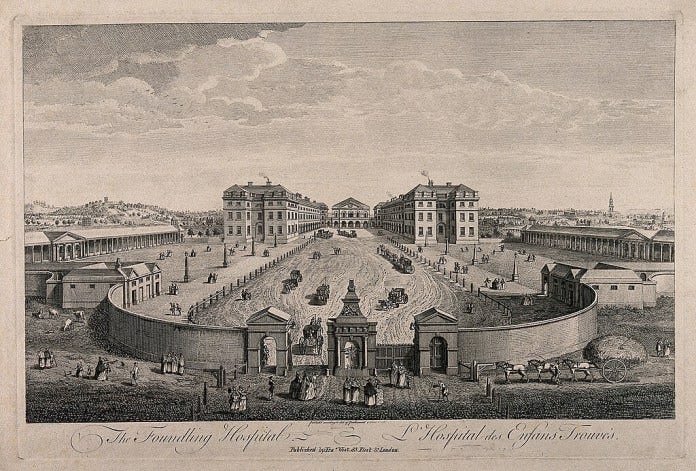

In the 18th and 19th centuries, foundling hospitals operated across Europe and North America. Their stated purpose was to receive infants anonymously, usually through a device known as the foundling wheel. A rotating wooden hatch built into the exterior wall of an institution. A parent could place a baby inside, turn the mechanism, and walk away without being identified.
These institutions were framed as charitable responses to poverty, shame, and desperation. In certain respects, they were. Infant mortality was brutal, and abandonment often meant death. The hospitals provided an alternative.
But the structural details are worth examining.
Children entering these systems were frequently recorded without names, without witnesses, and without any documented attempt to trace their origin. In some regions, intake numbers remained high even as local birth rates declined. There was no external audit. No cross-referencing. No mechanism to verify that the children arriving had genuinely come from outside the institution’s own network.
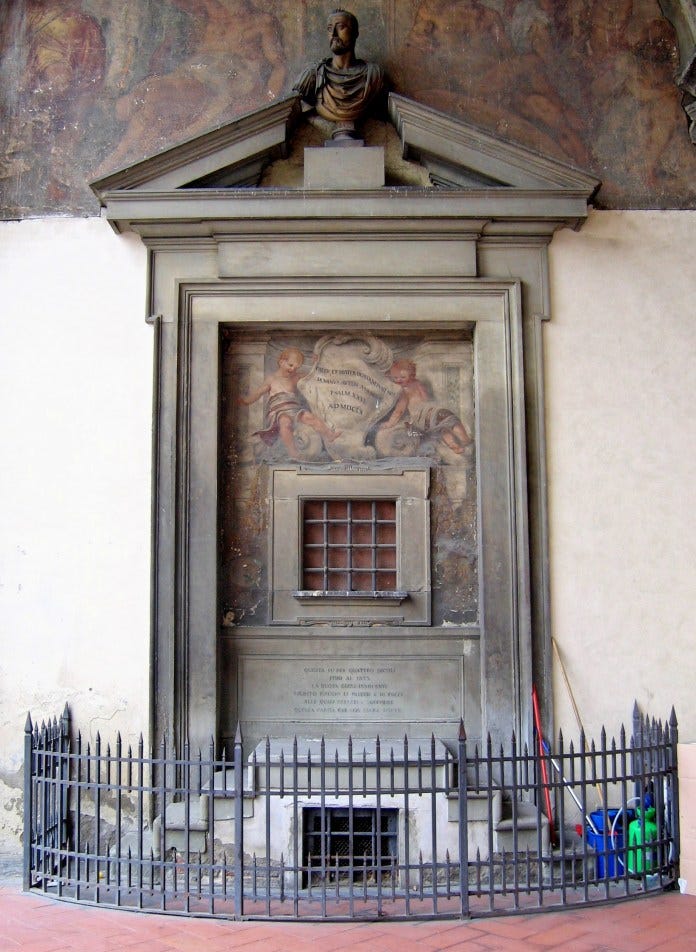
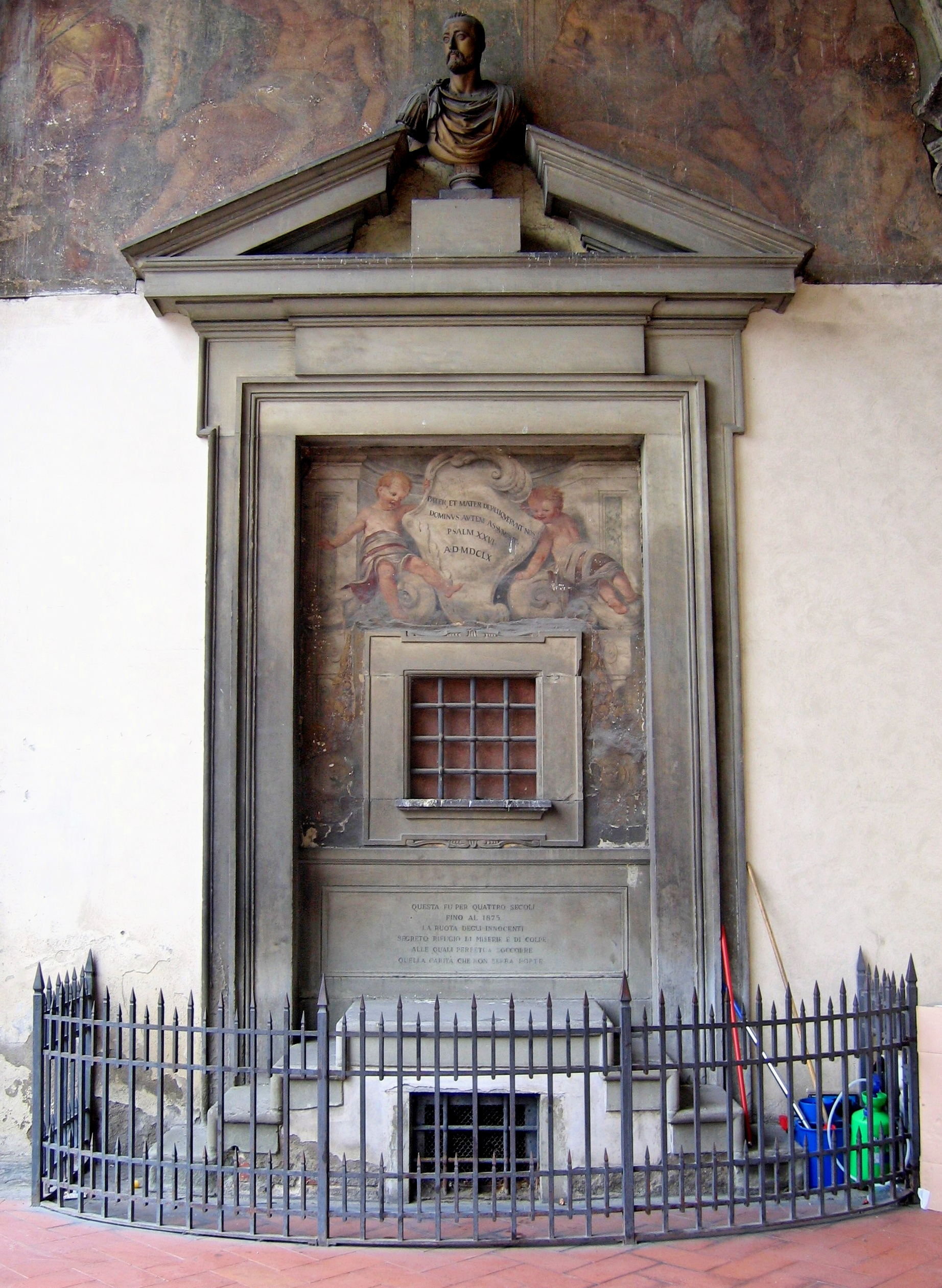
The foundling wheel, widely romanticized in retrospect, may have served more than one function. As a tool for anonymous intake, it also created an explanation that required no further investigation. A baby appeared. A hatch was involved. No further questions were built into the process.
Oversight was minimal. Record-keeping was often vague or deliberately anonymized. The system, as designed, made origin impossible to trace. Whether that was a flaw or a feature depends on what you believe the system was actually built to do.
Changelings and Cabbages
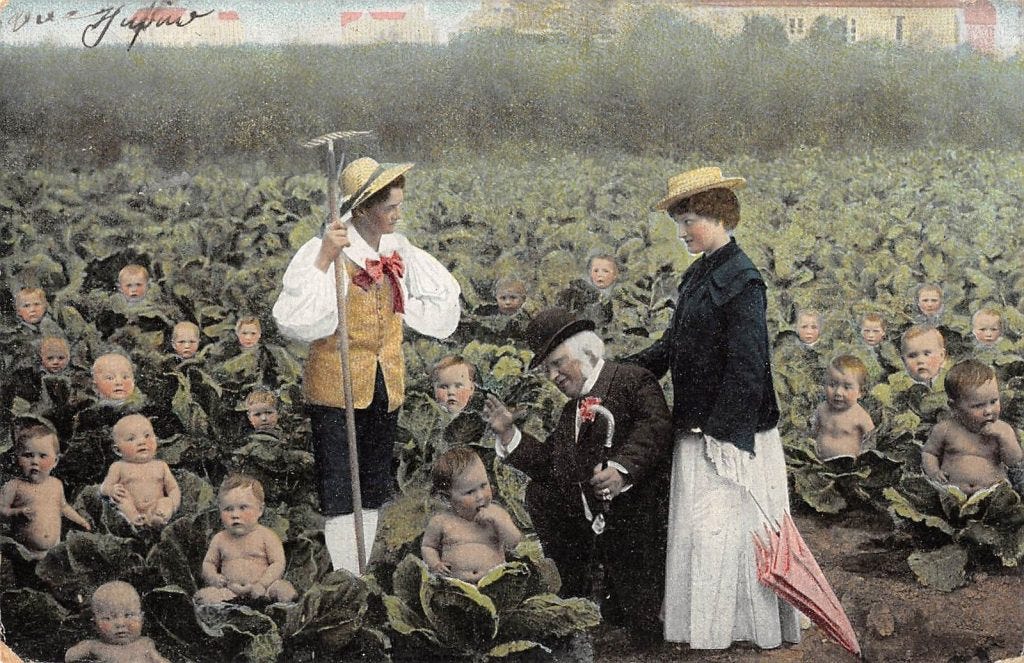
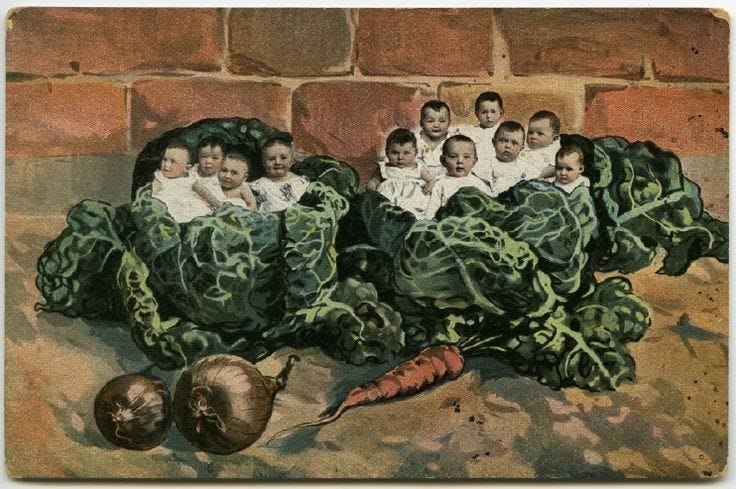
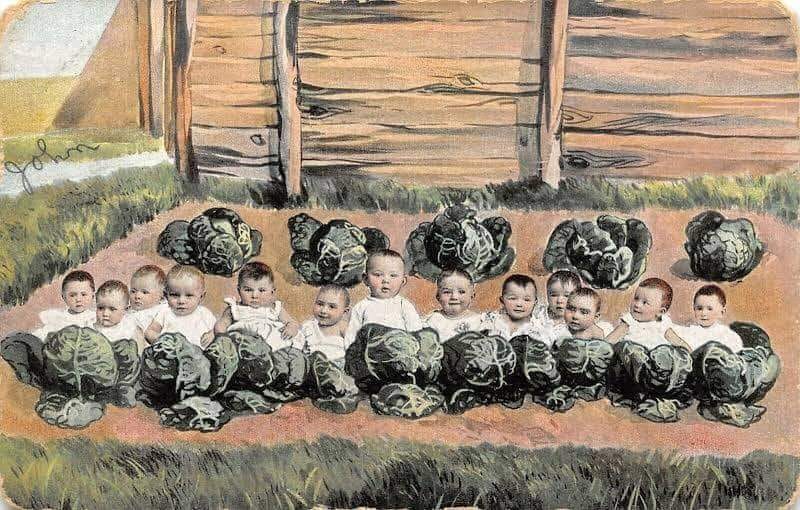
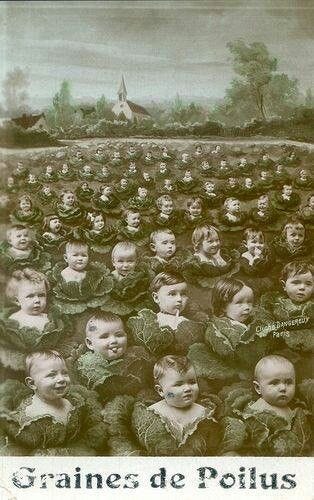
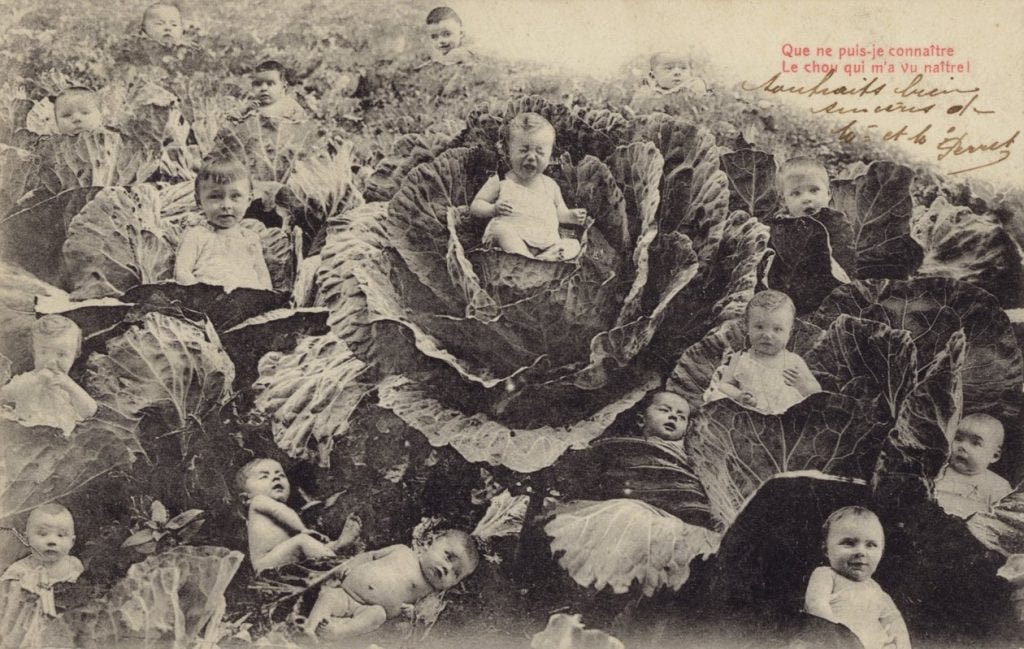
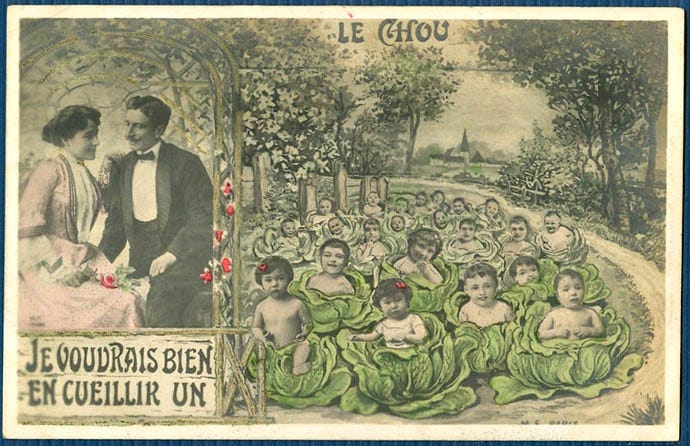
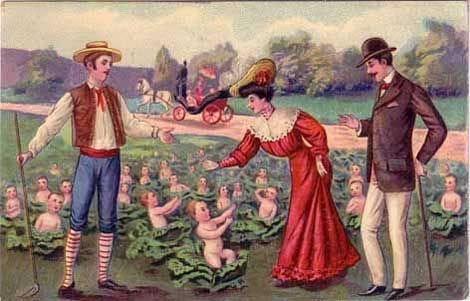
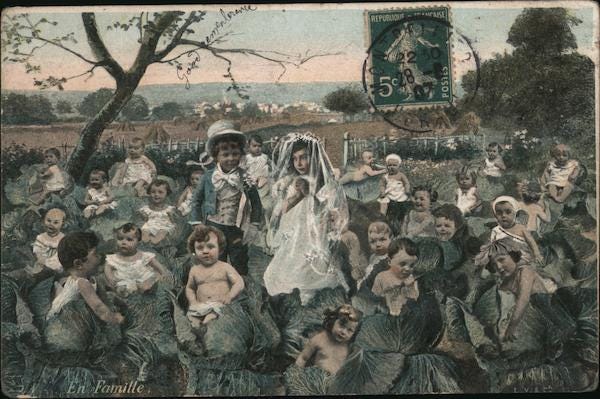
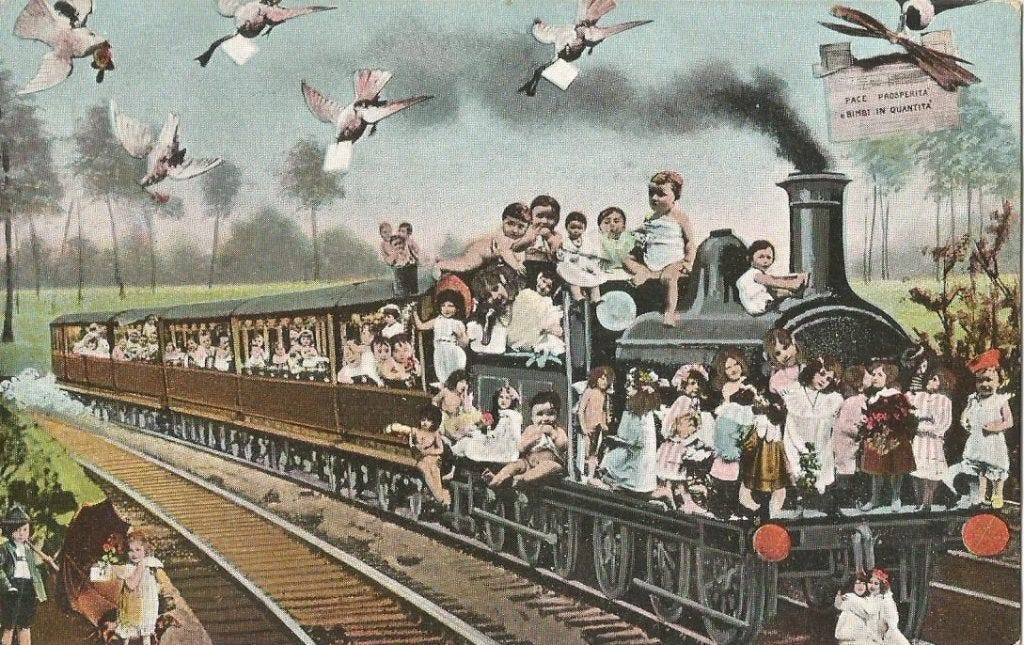
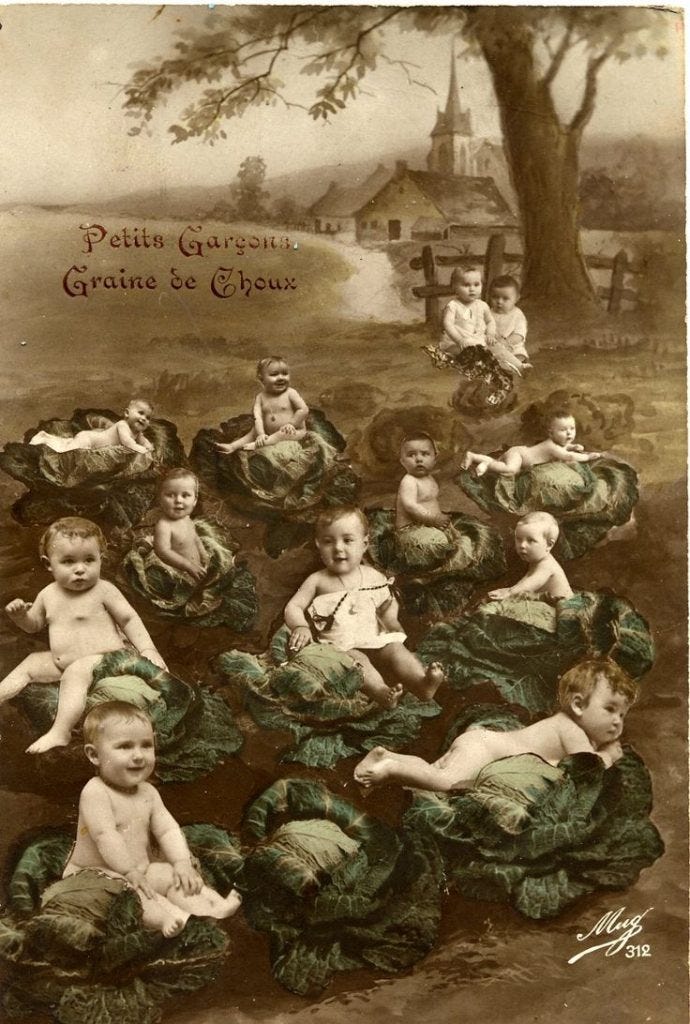
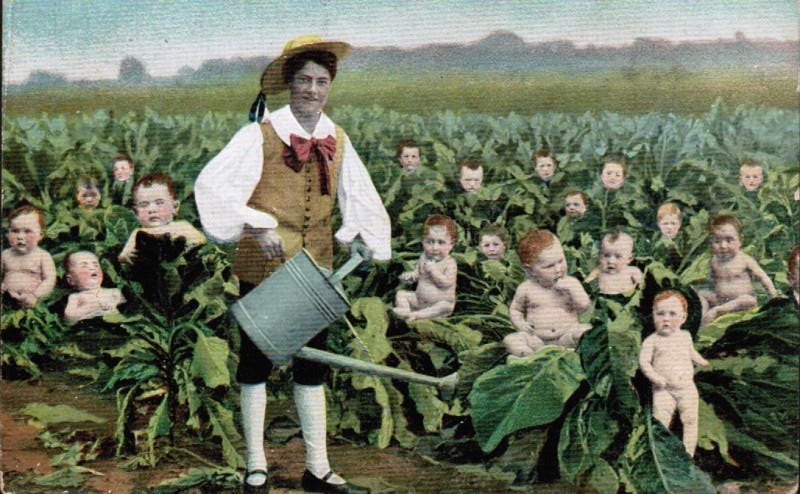
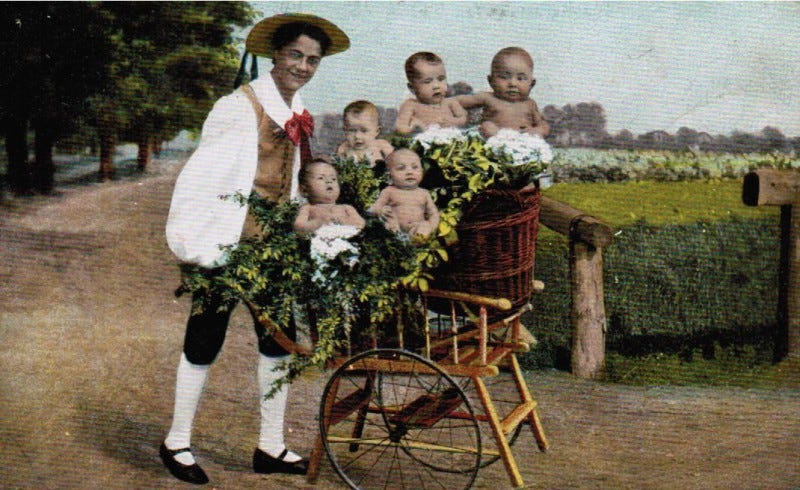
Long before state-managed institutions existed, cultures already had language for children who didn’t quite fit.
In Celtic and Germanic folklore, the changeling was a child stolen by spirits and replaced with something that only looked human. It cried without stopping, failed to grow, or refused to speak. Left in its cradle wrapped in moss or leaves, the changeling explained the unexplainable: a child who arrived differently, who didn’t match, who raised questions no one wanted to answer plainly.
The myth served a function. It gave communities a story to use when the true account was unavailable or suppressed. The child was different because the spirits had interfered. Not because anyone had done anything that needed to be examined.
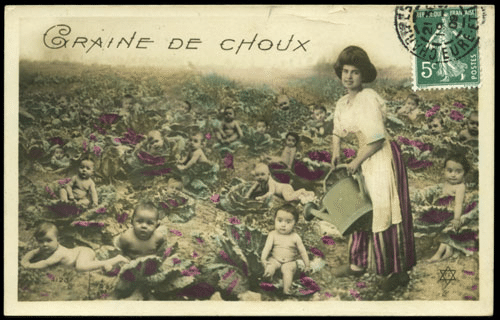
France developed a softer version of the same mechanism. By the 1700s, the common explanation was that boys emerged from cabbage patches and girls from rose bushes. This wasn’t purely whimsy. It offered a usable explanation for babies whose parentage was unknown, contested, or too uncomfortable to speak about openly. It converted mystery into magic. It converted potential scandal into pastoral innocence.
Both myths communicated the same core instruction. Some children arrive through hidden means. They come wrapped in stories rather than lineage. It is not necessary to question that too deeply.
In France, the story took a softer form. By the 1700s, it was said that boys came from cabbage patches and girls from rose bushes. This wasn’t just playful fantasy, it offered a convenient explanation for babies whose parentage was unknown or too uncomfortable to speak about. It turned mystery into magic and shame into innocence.
Incubator Babies and World’s Fair Spectacles
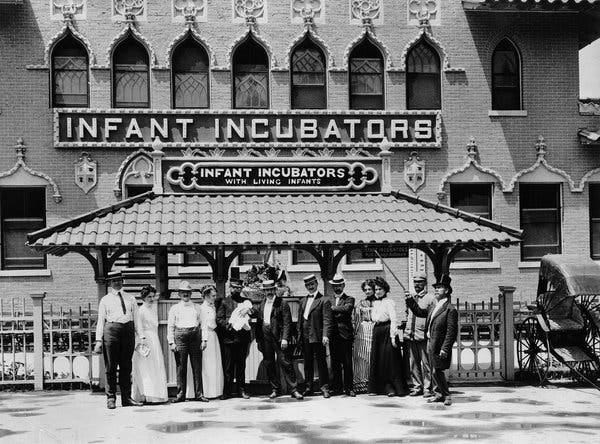
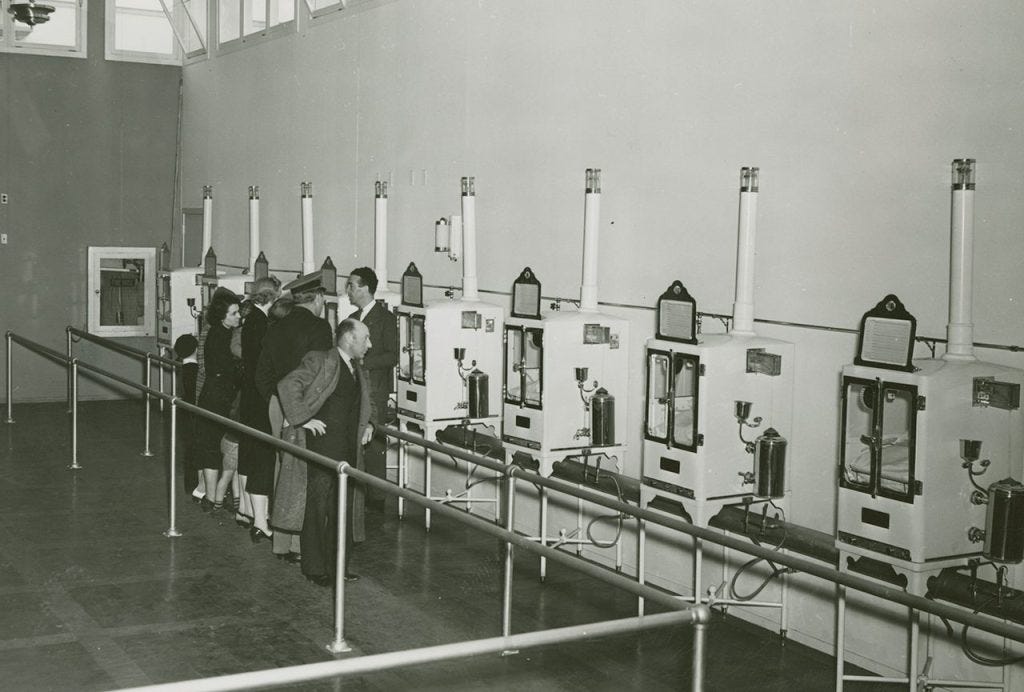
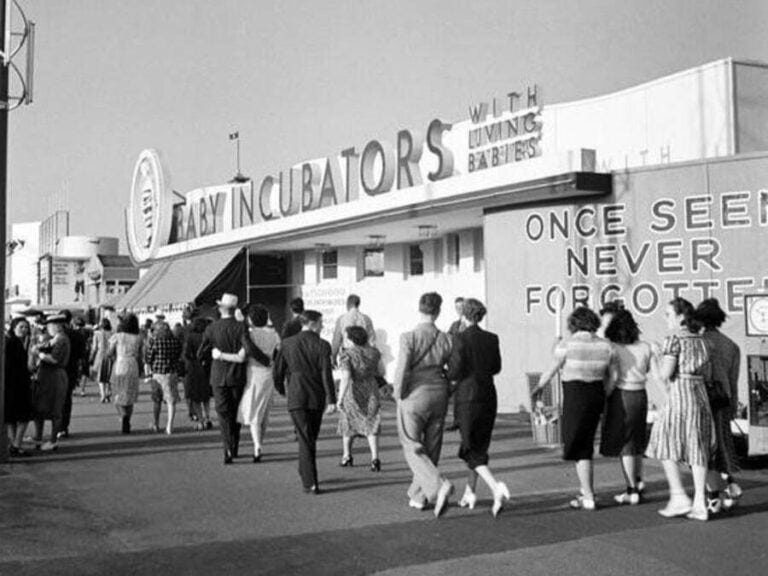
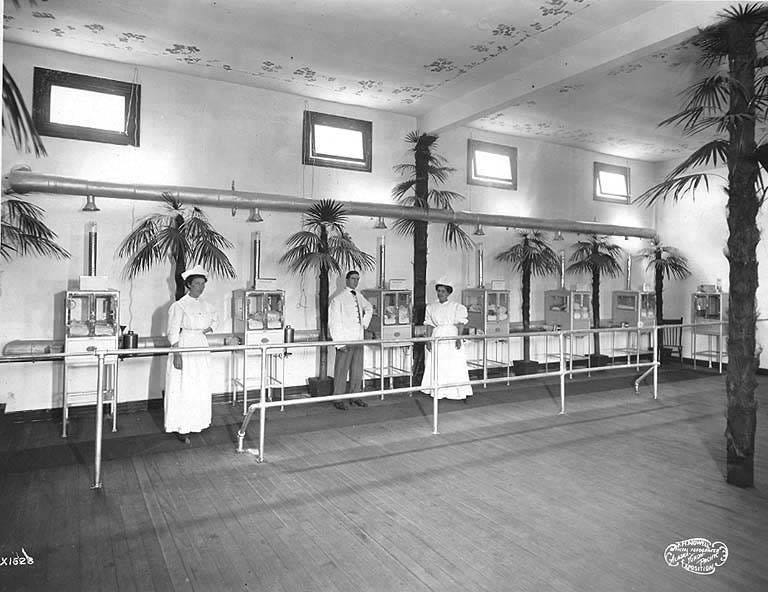
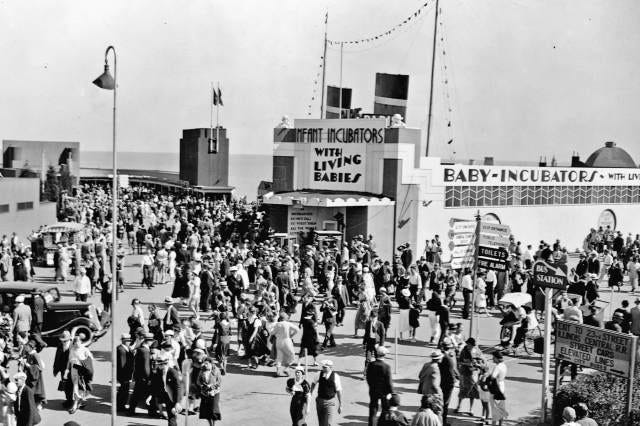
As the 20th century approached, the story became more public and considerably stranger.
Beginning in the late 1890s, premature infants were placed on display in glass incubators at multiple World’s Fairs and amusement parks across the United States and Europe. These were not simulations or demonstrations using dolls. They were living babies, frequently abandoned or unclaimed, being cared for under observation in full public view.
Dr. Martin Couney, who organized many of these exhibitions, presented them as demonstrations of modern medical science. The incubators did save lives. That part is documented. But the context surrounding those lives is equally significant.
These were babies without names, without parents, and without any traceable place in the existing social order. They were presented not as someone’s kin but as evidence of what technology could produce and sustain. At a time when cities had been reshaped by fire, epidemic, and industrial displacement, the glass cradle offered a particular kind of comfort.
Life could continue without history. The baby in the machine had no past. Only a future. And no one in the crowd appeared to find that troubling.
The First Film Tells the Story Again
In 1896, French filmmaker Alice Guy-Blache directed what is widely regarded as the first narrative film ever made. It was called La Fee aux Choux. The Fairy of the Cabbages.
In this short silent piece, a fairy moves through a cabbage patch, pulling babies from beneath the leaves and presenting them to waiting couples. There is no birth shown. No mother present. No backstory offered. Only discovery, delivery, and acceptance.
The film was brief and whimsical in presentation. But the imagery mapped directly onto what foundling institutions had been practicing for over a century, and what folklore had been normalizing far longer than that. Babies could be grown, managed, and distributed without the complication of ancestry. The past could simply be omitted.
That this became the subject of the first story ever committed to film is not a trivial detail. It was a cultural reflection of how the originless child had already been absorbed into the mainstream imagination. Normal enough to entertain. Unremarkable enough to require no explanation.
The Literature of the Parentless Child
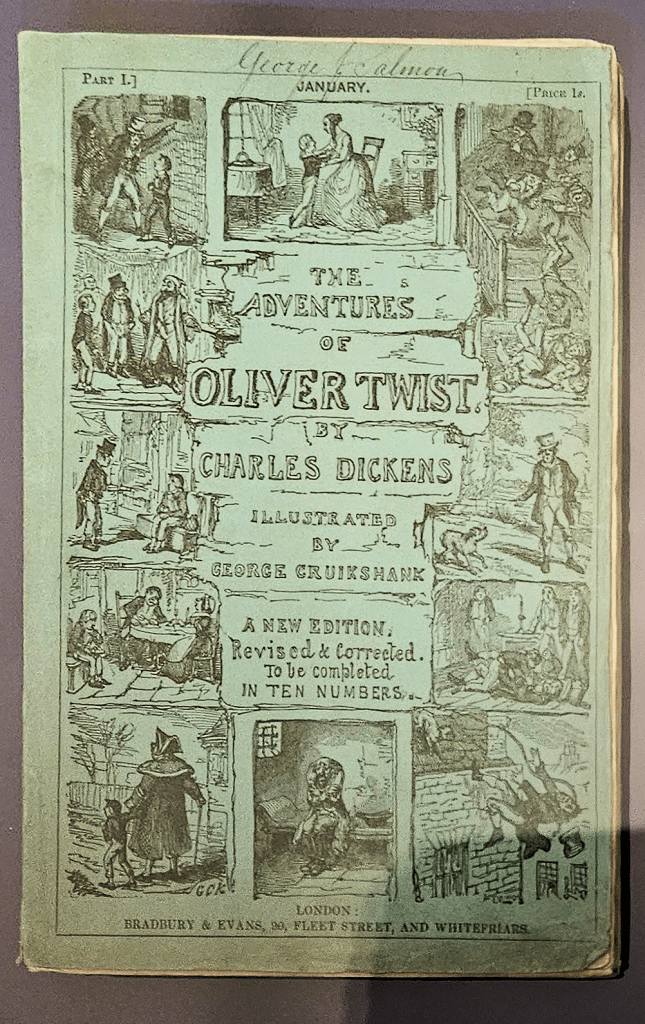

While institutions handled the logistics of producing and placing children without recorded origins, literature handled the cultural memory.
From the mid-19th century onward, orphan narratives dominated Western publishing. Oliver Twist. Jane Eyre. Huckleberry Finn. Anne of Green Gables. The Secret Garden. Each told the story of a child without family, without recorded history, who found integration into society through character and circumstance rather than lineage.
These were not isolated stories. Taken together, they formed a consistent cultural signal.
The orphan became a symbol of adaptability, resilience, and successful social integration. The narrative consistently argued the same point: it didn’t matter where the child came from. Only where they were going. Lineage, in this framework, was not just unnecessary. It was treated as a distraction from what really mattered.
This body of literature shaped how entire generations understood the relationship between identity and origin. It taught readers to find the originless child sympathetic, admirable, and ultimately whole without ancestry. That is not a neutral lesson. It is a specifically useful one.
The Final Sanitization: Cabbage Patch Kids
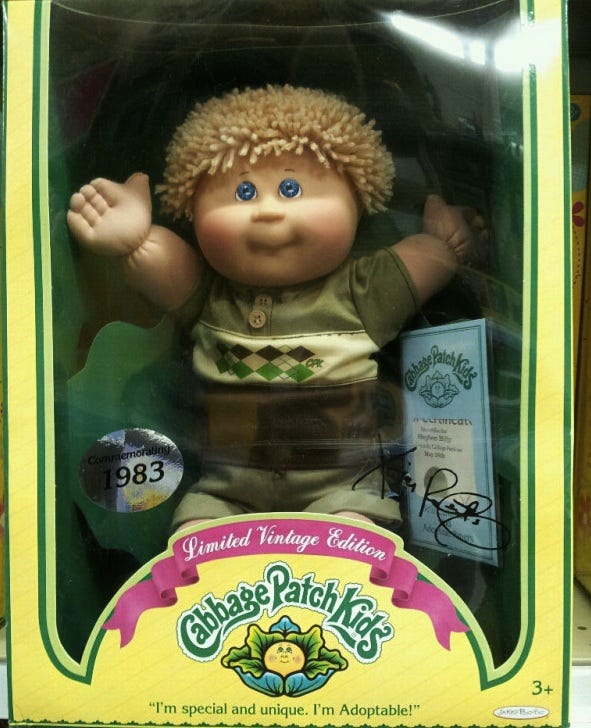
By the 1980s, the story had returned to its most openly innocent form.
Cabbage Patch Kids were soft-bodied dolls with round faces and blank expressions. Each one came with adoption papers. No parents were referenced. No birth was implied. According to the marketing narrative, these dolls were born in a magical garden, tended by a gentle caretaker, and waiting to be discovered and claimed by children around the world.
The commercial instinct was sound. The product became one of the most successful toy launches in American retail history, triggering documented scenes of adult consumers fighting in store aisles to obtain one.
But the symbolism embedded in the product ran deeper than its marketing.
These were not random toys. The Cabbage Patch was the foundling wheel reimagined in felt and yarn. Each doll arrived without a past. It had a name, an adoption certificate, and a future. No background. No parents. No questions built into the transaction. The buyer signed the paperwork and brought the child home.
The product did not invent this idea. It simply made it into something people were willing to stand in line for.
The Pattern That Remains
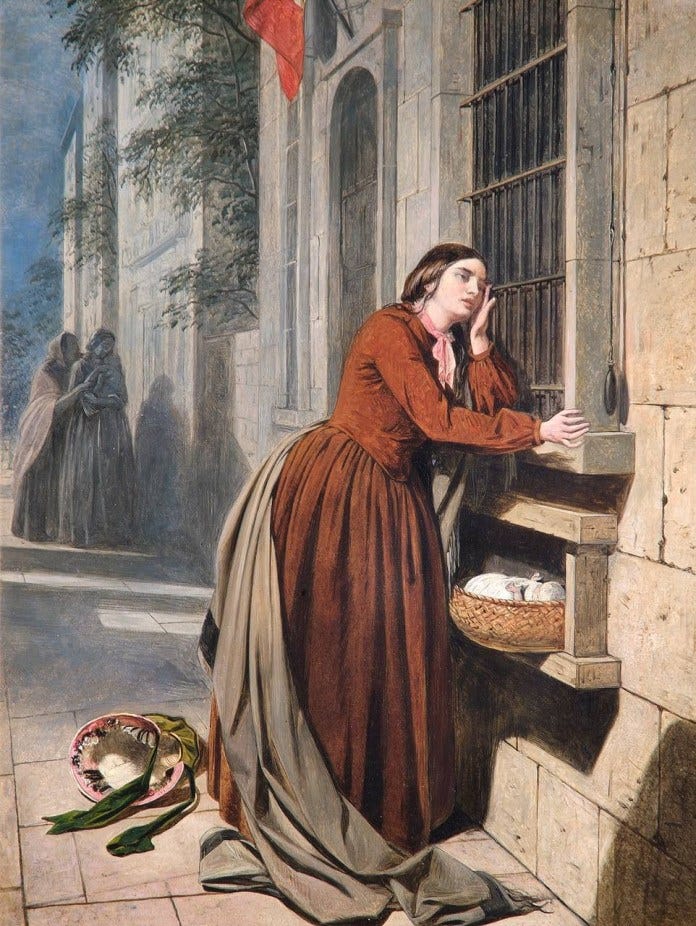
Whether delivered through myth or mechanism, folklore or institutional file, one story repeats across centuries without significant variation.
A child with no past appears. No one asks why. It is found, harvested, assigned, adopted. It may be loved. But it is not remembered.
Foundlings, changelings, cabbage babies, incubator infants, orphan heroes, and mass-produced dolls. From fairy tales to hospitals, from World’s Fairs to toy aisles, the idea of the originless child functions as a cultural constant. One that has served purposes both openly charitable and considerably harder to name.
In periods of upheaval, when populations shift, cities empty, and existing systems are dismantled, these children tend to appear in elevated numbers. And alongside them, stories emerge to make their presence feel natural. Unremarkable. Expected.
Stories, even gentle ones, can conceal.
And sometimes, what we have been told was left at the door may never have come from outside at all.